
Palgrave Macmillan
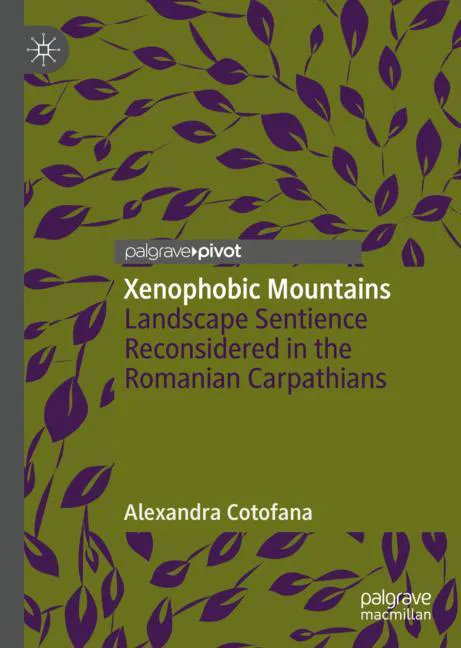
Xenophobic Mountains
Alin havaittu hinta
Hinnat kaupoissa
1 tarjousHinnat ovat viimeksi havaittuja. Tarkista ajantasainen hinta, saatavuus ja toimituskulut kaupasta.
Hintahistoria
1 hintahavaintoKaavio näyttää kunkin havaintopäivän alimman tallennetun tuotehinnan. Havaintojen välistä hintaa ei ole vahvistettu.
- Alin havaittu
- 37,44 €
- Korkein havaittu
- 37,44 €
- Viimeisin historian havainto
Näytä hintahavainto
| Hinta havaittu (Suomen aika) | Hinta |
|---|---|
| 37,44 € |
Tuotetiedot
This book, based on ethnographic research in Romania, traces the ontological red lines that form a world in which xenophobic landscapes are possible. The last couple hundred years in Romania’s history have been marked by change of political regimes, but this manuscript pays equal attention to an important continuity in Romania’s ontological world: its understanding of the landscape, and the relationship between Romanian people and their land. From political discourses to children’s books, to literature, and explanations found for everyday events, the book follows the ways in which the landscape of Romania has been understood as a sentient being imbued with willpower and ability to act on the world. The sentience specific to Romania’s landscape is characterized by xenophobia—a fear and distrust of ethno-religious others—that has been historically interpreted by Romanians as manifesting through acts of violence enacted by the landscape towards various groups of humans understood as dangerous to the country’s unity. The novelty of this book lies in the fact that it is an in-depth analysis of an ontological world in which sentient landscapes are de-romanticized and presented in their uncomfortable complexity. The concept of sentient xenophobic mountains can add a great deal to the current literature on the ontological turn and ontological multiplicities, by questioning binaries like colonized/colonizer, indigenous/colonial, sentient landscape/industrial superpower. Romania’s history makes it a good case study for this exercise, as the country has been at the margins of empires, both desired because of its natural resources and rejected because of the perceived inferiority of its people, both racialized and racist, both neoliberal and imagining absolute sovereignty.
- Brändi
- Palgrave Macmillan
- EAN / GTIN
- 9783031131127